Is My Child a Sociopath: Recognizing Signs, Traits, and Next Steps
Raising a child who consistently displays aggression, lacks empathy, or engages in manipulative behavior can be isolating and frightening. Late-night searches like "is my child a sociopath" often stem from deep worry, not judgment. However, it’s important to separate normal developmental phases from persistent behavior patterns that may signal a clinical concern.
While “sociopath” is a common term, professionals look for signs of Conduct Disorder in children. This guide explains the terminology, outlines early warning signs, and offers a practical way to document what you’re seeing so you can seek the right support. This article is for education only and can’t diagnose a child; you can explore our sociopath test to track patterns.
Can a Child Actually Be a Sociopath: Understanding the Terminology
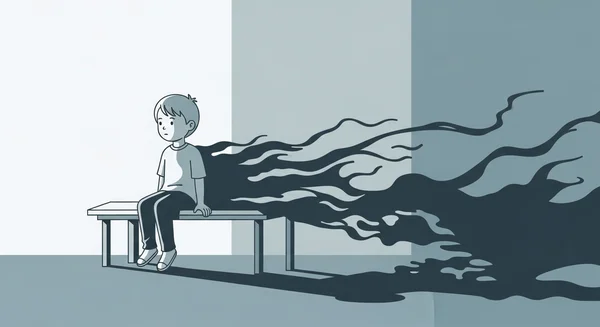
When parents ask, "Is my child a sociopath?", they are often looking for a label to explain frightening behaviors. However, in the medical world, a child cannot be officially diagnosed as a sociopath or with Antisocial Personality Disorder (ASPD). These diagnoses are reserved for adults over the age of 18. Instead, mental health professionals evaluate children for Conduct Disorder (CD) or Oppositional Defiant Disorder (ODD).
Understanding this terminology is the first step in reducing panic. Conduct Disorder involves a repetitive and persistent pattern of behavior where the basic rights of others or major age-appropriate societal norms are violated. While some children with severe CD may exhibit "Callous-Unemotional" (CU) traits—which resemble adult sociopathy—labeling a child as a "sociopath" is medically inaccurate and can be stigmatizing.
The Age Limit: Why Diagnosis Waits Until 18
Personality is still forming throughout childhood and adolescence. A diagnosis of ASPD requires evidence of a conduct disorder before age 15, but the label itself is not applied until adulthood. This is because children have a capacity for change and development that adults with established personality disorders may not. Early intervention focuses on redirecting these developmental paths rather than sealing a fate with a permanent label.
Understanding Conduct Disorder (CD) & ODD
Conduct Disorder (CD) is more severe than ODD. While a child with ODD might be argumentative and defiant toward authority figures, they do not typically violate the rights of others or exhibit physical cruelty. A child with CD, however, might engage in aggression toward people or animals, destruction of property, or serious deceitfulness. Recognizing the difference is vital for seeking the right kind of support.
Is It Just a Phase? Distinguishing Normal Rebellion from Pathology
All children act out. Toddlers have tantrums, and teenagers push boundaries. The key difference lies in the frequency, intensity, and intent of the behavior. Normal rebellion is often a reaction to frustration or a desire for independence. Pathological behavior, often seen in CD, can appear calculated, lacks genuine remorse, and persists despite consistent consequences. If the behavior feels "cold" rather than "hot-headed," it warrants closer attention.
7 Early Warning Signs of Sociopathic Traits in Children
If you are worried about your child's behavior, it helps to look for specific patterns rather than isolated incidents. The following signs are often associated with Conduct Disorder and Callous-Unemotional traits. Remember, a single instance does not mean a child has a disorder; look for a persistent pattern over at least 6 to 12 months.
1. Physical Cruelty to People or Animals
This is often the most alarming sign. Unlike a curious toddler who might pull a cat's tail once, a child with serious behavioral issues may intentionally hurt animals or other children. This behavior often lacks an emotional reaction to the victim's pain.
2. Chronic Deceitfulness and Manipulation
While many kids lie to avoid trouble, this type of deceit is different. It is often used to manipulate others, obtain goods, or avoid obligations without any apparent fear of detection. The lying is frequent, sophisticated, and often unprovoked.
3. Lack of Remorse or Guilt
A hallmark of Callous-Unemotional traits is a lack of guilt after misbehaving. The child does not seem to care about the consequences of their actions on others. If they do apologize, it often feels insincere or purely instrumental to avoid punishment.
4. Destruction of Property (e.g., Fire Setting)
Deliberate destruction of others' property is a key symptom of Conduct Disorder. This can range from smashing toys to more dangerous activities like fire setting, which is done with the intention of causing damage.
5. Shallow or Deficient Affect (Emotions)
The child may not show emotions or feelings to others, except in ways that seem shallow, insincere, or superficial (e.g., actions contradict the emotion displayed). They might use emotional displays only to manipulate or intimidate.
6. Serious Violation of Rules
This goes beyond staying out past curfew. It includes running away from home overnight, frequent truancy from school (beginning before age 13), or other serious breaches of age-appropriate rules that persist despite parental intervention.
7. Unresponsiveness to Punishment
Typical discipline strategies often fail. The child may seem indifferent to punishment, whether it is a time-out or loss of privileges. This lack of concern for negative consequences makes standard parenting techniques less effective.
Age Matters: How Symptoms Differ from Toddlers to Teens
Symptoms of behavioral disorders manifest differently depending on a child's developmental stage. What looks like aggression in a toddler might just be a lack of verbal skills, whereas the same intent in a teenager is a serious warning sign.
Preschoolers: Tantrums vs. Calculated Aggression
In children under 5, biting, hitting, and kicking are often due to an inability to express frustration. However, calculated aggression—hurting another child to get a toy without showing anger—is a red flag. Extreme tantrums that last for hours or occur multiple times a day are also concerning.
School-Age: Bullying and Social Manipulation
Between ages 6 and 12, symptoms often shift to social interactions. You might notice bullying, initiating physical fights, or stealing. Cruelty to animals often emerges during this period. Lying becomes more complex and is used to manipulate teachers or parents.
Teens: Legal Issues and Risk-Taking
In adolescence, the behaviors often escalate to legal violations. This can include shoplifting, vandalism, breaking into cars or houses, and substance abuse. Teenagers with CD may also exhibit a profound lack of empathy in their romantic relationships or friendships.
What Else Could It Be: Conditions Often Mistaken for Child Sociopathy
If you keep asking yourself, "is my child a sociopath," it’s important to rule out other explanations first.
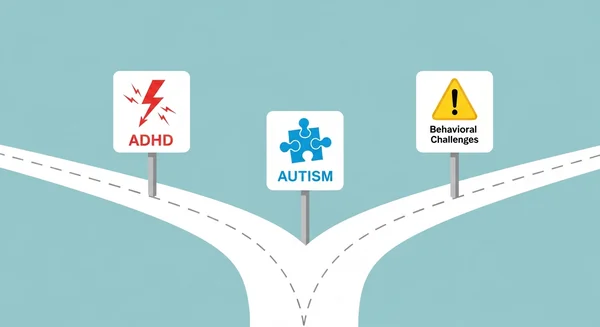
Before jumping to conclusions about sociopathy, it is essential to consider other conditions. Many disorders share overlapping symptoms with Conduct Disorder but require vastly different treatments.
ADHD vs. Behavioral Disorders
Children with ADHD (Attention-Deficit/Hyperactivity Disorder) are often impulsive and may act out, but their behavior is usually not malicious. An ADHD child might break a lamp while running in the house (accident/impulsivity), whereas a child with CD might break it on purpose during an argument (intent).
Autism Spectrum Disorder (ASD) Overlap
Children with Autism may struggle with empathy and social cues, which can sometimes be mistaken for the "coldness" of sociopathy. However, an autistic child's lack of empathy usually stems from a difficulty in understanding social signals, not a disregard for others' rights.
Trauma and Reactive Attachment Disorder
Children who have experienced neglect, abuse, or severe trauma may develop Reactive Attachment Disorder (RAD). They can be aggressive and struggle to form bonds, mimicking sociopathic traits. However, this is a defense mechanism rooted in fear and trauma, rather than a personality deficit.
Nature vs. Nurture: What Causes High-Risk Behaviors
Parents often blame themselves, asking, "Did I cause this?" The reality is complex. Research suggests that Conduct Disorder arises from an interaction between biological and environmental factors.
The Role of Genetics and Biology
Some children are born with a temperament that makes them harder to soothe and more prone to aggression. Studies indicate that children with Callous-Unemotional traits may have differences in brain structure, specifically in areas regulating emotion and empathy (like the amygdala). Genetics play a significant role, with heritability estimates for CD being moderate to high.
Environmental Risk Factors
While biology loads the gun, environment can pull the trigger. Inconsistent discipline, lack of supervision, family conflict, or exposure to violence can increase the risk. However, warm, consistent parenting can significantly mitigate genetic risks. It is rarely just one factor; it is the interplay of nature and nurture.
How to Document Behavior Patterns Before You Seek Help
Recognizing these patterns in your own child is difficult and emotional. It is easy to second-guess yourself or minimize concerning behaviors. Documentation is a critical first step in clarifying what is actually happening.
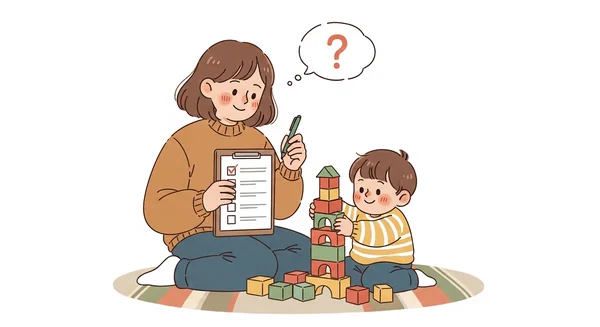
When you eventually see a professional, they will ask for specific examples, frequencies, and timelines. Relying on memory during a stressful appointment is hard. Having a documented record of behaviors helps professionals make an accurate assessment and distinguishes between a "bad phase" and a clinical issue.
Try the Free Child Behavior Assessment (Sociopath Test)
To help you organize your observations, we offer a free, confidential educational tool. This sociopath test checklist is not a diagnostic instrument but a structured checklist designed to highlight patterns of concern based on established psychological criteria. It allows you to objectively review the signs we've discussed.
After completing the assessment, you will receive a summary that categorizes the behaviors you've noted. You can use this report as a conversation starter with a pediatrician or child psychologist. It provides a common language and objective data, making it easier to advocate for your child's needs.
Treatment and Interventions: Managing Conduct Disorder
The most important takeaway is that help is available. A child with Conduct Disorder is not "doomed." With early and appropriate intervention, many children learn to manage their impulses and develop better social skills.
Effective Therapies: CBT and Parent Management Training (PMT)
Parent Management Training (PMT) is the gold standard for treating CD in young children. It teaches parents specific strategies to encourage positive behavior and effectively discourage negative behavior. Cognitive Behavioral Therapy (CBT) helps older children and teens identify distorted thinking patterns and develop problem-solving skills to handle frustration without aggression.
Can Medication Help: Understanding the Role of Psychiatry
While there is no pill for Conduct Disorder itself, medication can treat co-occurring conditions like ADHD, anxiety, or depression. Treating these underlying issues often significantly reduces impulsive and aggressive behaviors, making therapy more effective.
Preparing for the Evaluation: What to Bring to the Doctor
When you go for an evaluation, preparation is key. Bring:
- A list of specific concerning behaviors and when they started.
- Reports from school or teachers.
- Your completed sociopath test results or behavior log.
- Family medical history, especially regarding mental health.
Being prepared helps the clinician see the full picture and gets your child the right help faster.
Conclusion: What to Do If You’re Worried
If you’re asking “is my child a sociopath,” try to focus on observable patterns: frequency, intent, and whether the behavior persists over time.
Use consistent documentation, involve the school when relevant, and consider a professional evaluation—especially if there is cruelty, fire setting, or escalating safety concerns. For an organized starting point, you can learn more in our sociopath test guide and bring your notes to a pediatrician or child psychologist.
Frequently Asked Questions
Is there a quiz to tell if my child is a sociopath?
Yes, there are screening tools available. You can use our sociopath test as a preliminary step to organize your thoughts and identify specific behavioral patterns. However, remember that no online quiz can diagnose a child; only a qualified mental health professional can do that.
Can a child with Conduct Disorder ever learn empathy?
Children with lower levels of empathy can learn "cognitive empathy"—understanding how others feel even if they don't instinctively feel it. With targeted therapy, many children can improve their ability to read social cues and care about others' feelings, although it may take more effort than for other children.
Can a child outgrow these behaviors?
For many children, especially those whose symptoms start later (in adolescence) or are milder, symptoms can improve significantly with maturity and intervention. "Life-course persistent" CD is less common but requires more intensive, long-term management.
Is there a cure for child sociopathy?
There is no "cure" in the medical sense, but the condition is manageable. Treatment focuses on reducing aggressive behaviors, improving social skills, and helping the child function successfully in society. Early intervention is the best predictor of a positive outcome.