What Is Antisocial Behavior? Examples, Causes, and Next Steps
Antisocial behavior is a pattern of actions that disregard other people's rights, safety, boundaries, or social rules. The term can describe a wide range of behavior, from repeated lying and intimidation to aggression, theft, property damage, or reckless disregard for consequences. It does not automatically mean someone has antisocial personality disorder, and it should not be used as a casual label for every rude or withdrawn person. If you are trying to understand your own patterns or a difficult relationship, a private ASPD trait screener can be a gentle starting point for reflection, not a substitute for professional clinical evaluation.
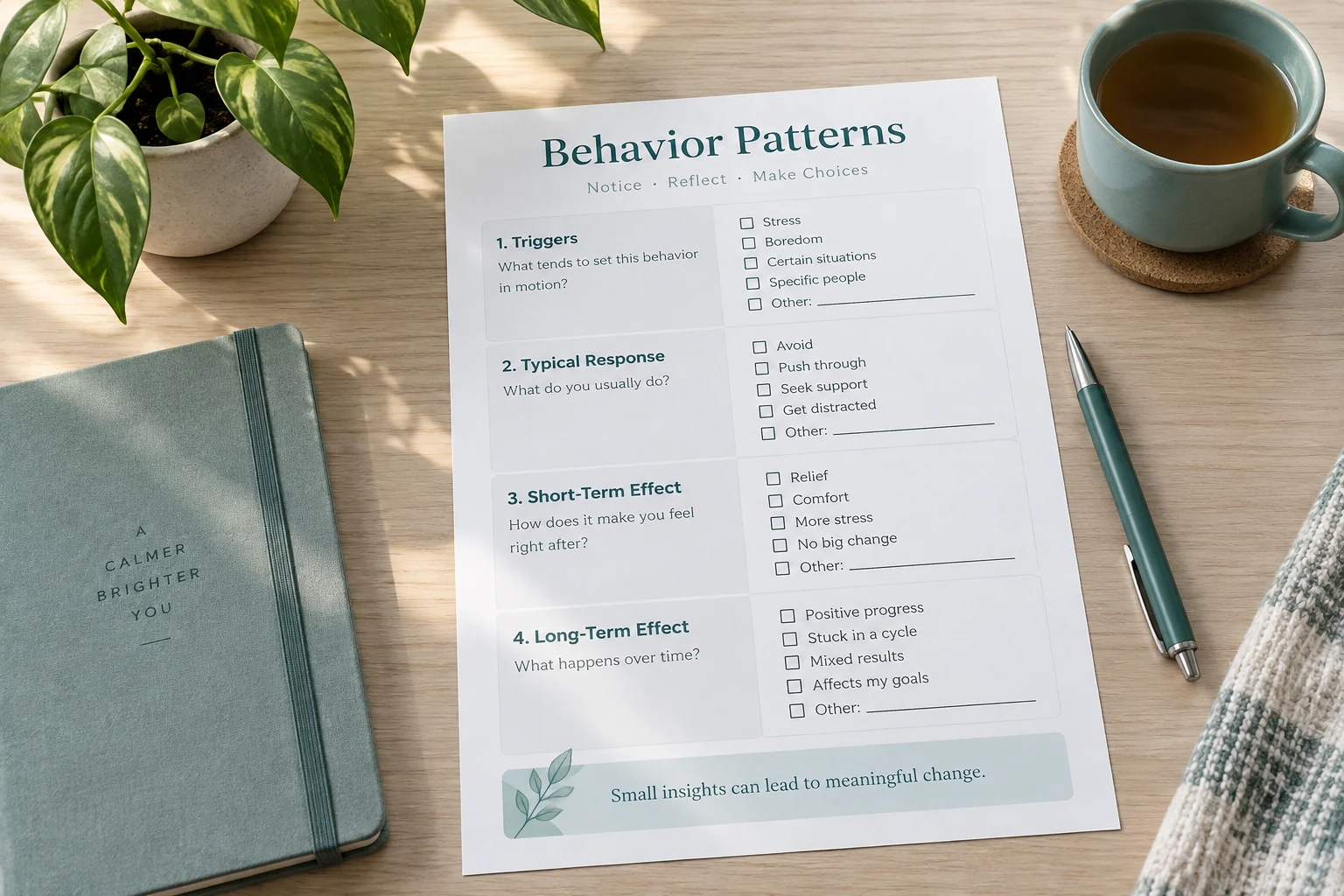
What Is Antisocial Behavior in Psychology?
In psychology, antisocial behavior usually refers to actions that violate social norms or harm others directly or indirectly. The key idea is not introversion. A quiet person who avoids parties may be asocial, meaning less interested in social contact, while an antisocial pattern involves disregard for rules, boundaries, or other people's welfare.
Antisocial behavior can be overt or covert. Overt behavior is visible and confrontational, such as bullying, threats, verbal aggression, or physical fights. Covert behavior is hidden or indirect, such as deception, stealing, vandalism, or repeated manipulation. Some researchers and school behavior teams also separate aggressive, rule-breaking, and property-related behaviors, which is why people often search for the "3 types of anti social behaviour."
The phrase also appears in everyday language, especially in the UK spelling "anti social behaviour," where it may refer to public nuisance, intimidation, vandalism, or disorderly conduct. In mental health writing, the meaning is usually broader and more developmental: a repeated pattern that creates harm, conflict, risk, or distress.
Antisocial Behavior vs. Antisocial Personality Disorder
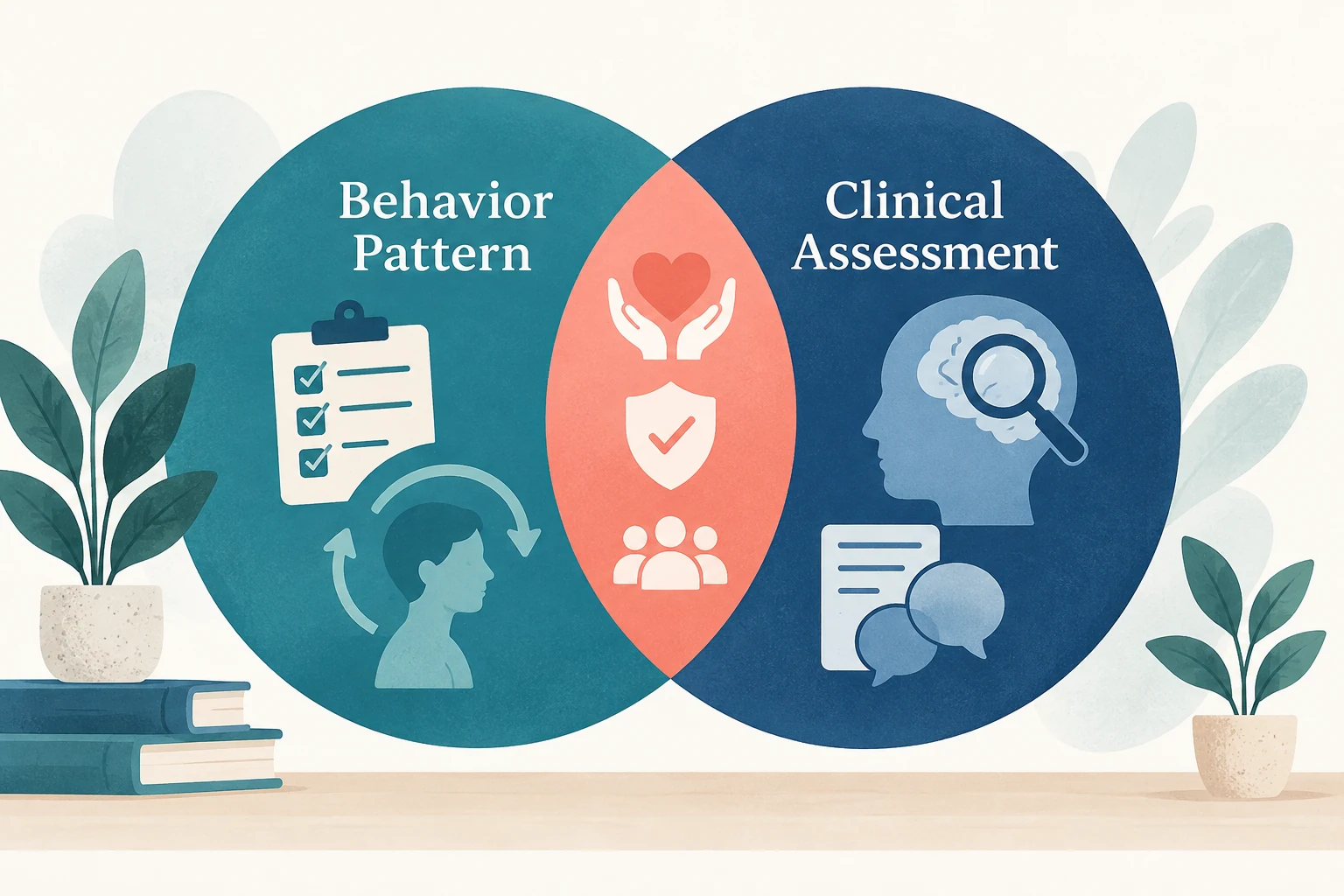
One confusing search phrase is "what is antisocial behavior disorder." Clinically, the recognized adult condition is antisocial personality disorder, often shortened to ASPD. Antisocial behavior is a behavior pattern. ASPD is a long-standing personality disorder involving persistent disregard for others' rights, often with traits such as deceitfulness, impulsivity, irresponsibility, aggression, reckless disregard for safety, and limited remorse.
Not every antisocial act points to ASPD. A teenager who shoplifts once, an adult who has a hostile outburst during a crisis, or a child who lies out of fear may be showing a concerning behavior without having a personality disorder. Clinicians look for duration, severity, age of onset, impairment, context, and alternative explanations. They also consider whether conduct problems appeared before age 15 and whether the person is at least 18 before an adult ASPD classification is considered.
This distinction matters because labels can become harmful when used too quickly. "Sociopath" is a popular search term, but it is not the formal clinical name. A more careful approach is to describe observable behavior first: repeated lying, intimidation, disregard for safety, exploitation, or violation of rules. From there, a qualified professional can assess whether a broader mental health pattern is present.
Common Examples of Antisocial Behavior
Antisocial behavior examples vary by age and setting. In adults, common examples may include repeated dishonesty for gain, exploiting another person's trust, intimidation, aggressive outbursts, reckless driving while disregarding others' safety, chronic irresponsibility with work or financial obligations, or repeated conflicts with the law. In relationships, the behavior may appear as coercion, humiliation, threats, boundary violations, or a pattern of blaming others after causing harm.
In schools or communities, examples can include bullying, vandalism, theft, harassment, deliberately frightening others, or repeated defiance of reasonable safety rules. In workplaces, antisocial behavior may be less obvious. It can show up as targeted sabotage, intimidation, deceptive charm used for personal advantage, or a pattern of refusing accountability while shifting costs onto coworkers.
The pattern is more important than a single incident. Most people behave badly at times. A psychologically meaningful concern is more likely when the behavior is repeated, causes harm, appears across settings, continues after consequences, and shows little concern for the impact on others. When you read about antisocial behavior through an educational sociopath test resource, keep that pattern-based view in mind.
Examples of Antisocial Behavior in Early Childhood
Children can show behaviors that are concerning without being "bad" or fixed in one direction. Early childhood examples may include frequent aggression toward peers, cruelty toward animals, deliberate destruction of property, persistent lying, stealing, serious rule violations, or intense disregard for others' distress. These signs deserve attention, but they need context.
A young child may act out because of trauma, anxiety, developmental delays, family stress, inconsistent discipline, exposure to violence, learning difficulties, sleep problems, or unmet emotional needs. Some children copy behavior they see around them. Others lack skills for emotional regulation, impulse control, or empathy and need structured support to build those skills.
Early help can be protective. Caregivers can document patterns, speak with pediatric or mental health professionals, coordinate with school support teams, and use consistent, nonviolent boundaries. The goal is not to shame the child. The goal is to reduce harm, strengthen empathy, improve emotional regulation, and create safer routines before patterns become more entrenched.

What Causes Antisocial Behavior?
There is no single cause of antisocial behavior. Most credible explanations combine biology, temperament, learning, relationships, and environment. Genetic vulnerability may influence impulsivity, emotional reactivity, fear response, or reward sensitivity. Brain development and executive functioning can affect judgment, planning, and impulse control. These factors do not determine a person's future by themselves, but they may shape risk.
Environment also matters. Childhood abuse, neglect, exposure to violence, chaotic caregiving, inconsistent supervision, peer reinforcement for rule-breaking, substance misuse in the family, and unstable housing or community stress can all contribute. Some people learn that intimidation, lying, or emotional detachment helps them survive in unsafe conditions. Over time, those strategies may become harmful habits that damage relationships and opportunities.
Mental health and substance use can complicate the picture. ADHD, trauma-related symptoms, mood problems, anxiety, alcohol misuse, or drug misuse may increase conflict, impulsivity, or risk-taking in some people. That is one reason careful assessment matters: the same outward behavior can come from different underlying pathways, and the right support depends on the full context.
Consequences of Anti Social Behaviour
The consequences of anti social behaviour can be serious for both the person showing the behavior and the people around them. Other people may experience fear, confusion, financial harm, emotional exhaustion, damaged trust, or physical danger. Families and partners may feel trapped between compassion and self-protection. Schools, workplaces, and communities may spend large amounts of energy managing disruption and repairing harm.
For the person behaving antisocially, consequences may include relationship breakdown, school or job loss, legal problems, substance-related harm, social isolation, and missed opportunities to build stable support. Even when someone appears confident or unaffected, repeated conflict can narrow their life over time.
It is also important to separate understanding from excusing. Knowing possible causes can guide prevention and treatment, but it does not erase responsibility for harm. A balanced response names the behavior clearly, protects people at risk, encourages professional support when appropriate, and avoids turning the person into a one-word label.
Causes and Solutions: What Helps Reduce Antisocial Behavior?
Solutions depend on age, severity, safety, and motivation. For children and teens, early intervention often focuses on consistent routines, parent training, school collaboration, emotional regulation skills, social problem-solving, and support for trauma or learning challenges. Programs that reinforce prosocial behavior, reduce exposure to violence, and strengthen caregiver consistency may be especially useful.
For adults, change is usually more complex. Helpful steps may include therapy focused on accountability and impulse control, treatment for substance use or co-occurring mental health concerns, anger-management skills, structured consequences, and practical support for work, housing, or routines. Motivation matters. Some people seek help because they are tired of consequences; others engage only when external pressure is present.
If you are dealing with someone else's repeated harmful behavior, your first task is safety and clarity. Set specific boundaries, document serious incidents, avoid escalating confrontations, and seek support from trusted people or relevant authorities when risk is present. If you are worried about your own behavior, begin with honest reflection: What keeps happening? Who is affected? What consequences are repeating? What would accountability look like this week?
When Self-Reflection Is Useful
Self-reflection is useful when you notice a repeated pattern and want language for it. You might ask whether you often disregard rules, feel little concern after hurting someone, lie to avoid accountability, act impulsively despite obvious risks, or use charm to get what you want without considering the other person. These questions can be uncomfortable, but they can also open a door to change.
An online screening experience can support that first step when it is framed carefully. The purpose is not to label yourself or someone else. It is to organize observations, notice patterns, and decide whether professional guidance would be wise. SociopathTest.org is built around that educational boundary: it offers confidential self-reflection and information, while making clear that a clinician's assessment is needed for clinical conclusions.
If you want a structured way to think through traits such as impulsivity, deception, lack of remorse, and disregard for safety, you can review a self-reflection tool for antisocial traits. Use the result as one piece of context, alongside real-life patterns, feedback from people you trust, and professional support when behavior is causing harm.

FAQ
What are examples of antisocial behaviors?
Examples include repeated lying, manipulation, intimidation, aggression, theft, vandalism, reckless disregard for safety, chronic irresponsibility, bullying, and serious rule violations. The concern is stronger when the behavior repeats across settings and harms other people.
What is antisocial behavior in adults?
In adults, antisocial behavior may appear as exploitation, deceit, aggression, law-breaking, reckless risk-taking, failure to meet major responsibilities, or repeated violation of boundaries. A single bad decision is different from a persistent pattern.
What is antisocial personality disorder?
Antisocial personality disorder is a clinical personality disorder involving a long-term pattern of disregard for others' rights and social rules. It is related to antisocial behavior, but the behavior alone is not enough to establish the disorder.
Is antisocial the same as asocial?
No. Asocial usually means socially withdrawn or less interested in interaction. Antisocial means behavior that violates rights, rules, safety, or social norms. A quiet person is not automatically antisocial.
What causes antisocial behavior?
Possible contributors include temperament, genetics, brain development, trauma, neglect, exposure to violence, inconsistent supervision, peer influence, substance misuse, and co-occurring mental health concerns. Usually, several factors interact.
Can antisocial behavior improve?
It can improve, especially when patterns are recognized early and support is consistent. Helpful steps may include therapy, family or school support, treatment for substance use, skill-building, structured accountability, and safer environments.
When should someone seek professional help?
Seek professional help when behavior repeatedly harms others, creates legal or safety problems, damages important relationships, involves violence or threats, or feels hard to control. If anyone is in immediate danger, contact emergency services or local crisis support.